Practice Areas
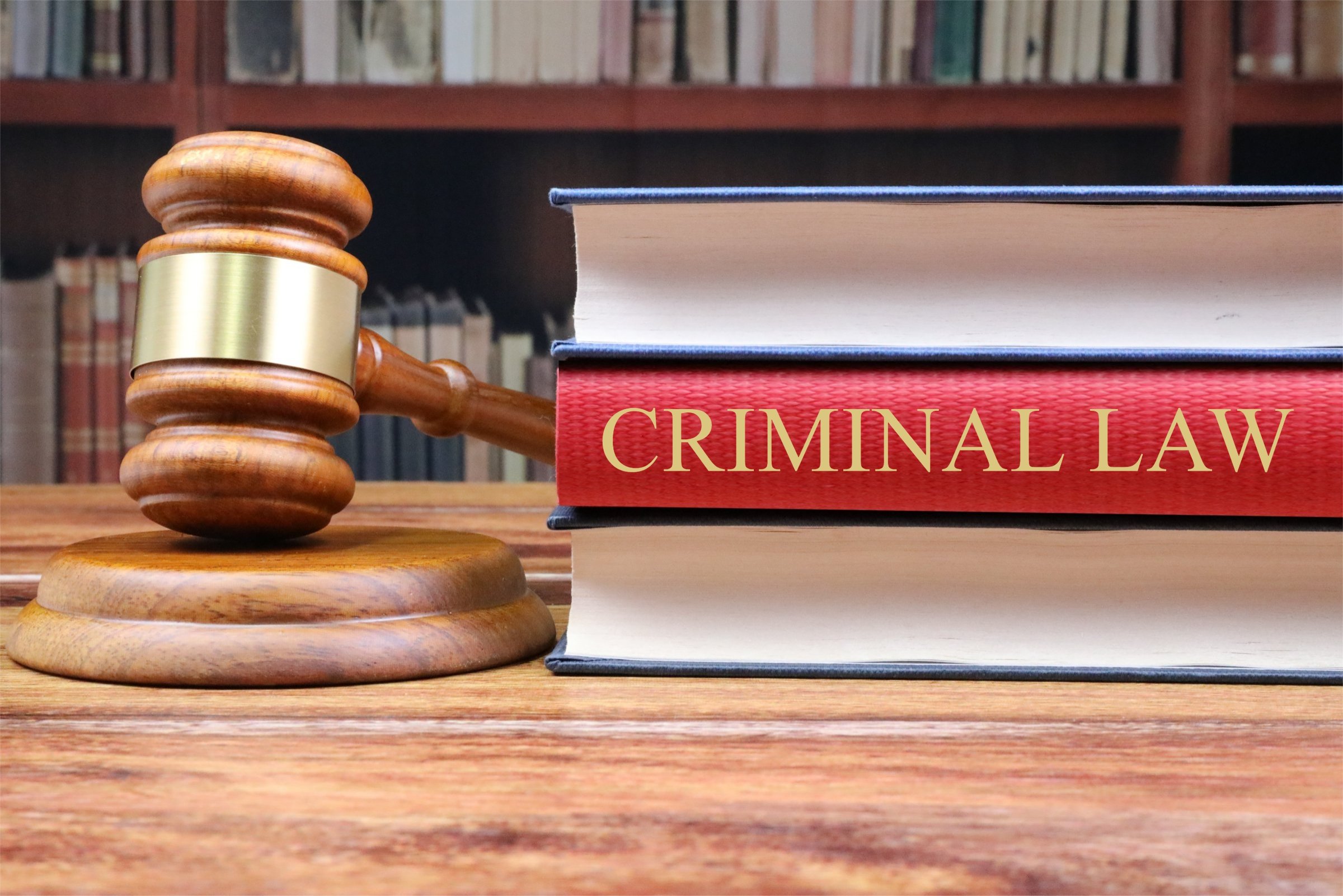
Criminal Law
Criminal law covers a broad range of offenses, from violent crimes to white-collar crimes. Some of the major categories include:
Personal Crimes: Crimes that directly harm or threaten the safety of individuals. Examples include murder, assault, battery, and kidnapping.
Property Crimes: Crimes that harm or interfere with a person’s right to use or enjoy their property. Examples include burglary, theft, arson, and vandalism.
White-Collar Crimes: Non-violent crimes typically committed by business or government professionals. These include fraud, embezzlement, bribery, and money laundering.
Drug Offenses: Crimes related to the illegal possession, sale, or distribution of controlled substances.
Sex Crimes: Crimes involving illegal or coerced sexual behavior, such as rape, sexual assault, or child pornography.
Public Order Crimes: Offenses that disrupt public peace and order. Examples include drunkenness, public disturbance, prostitution, and loitering.
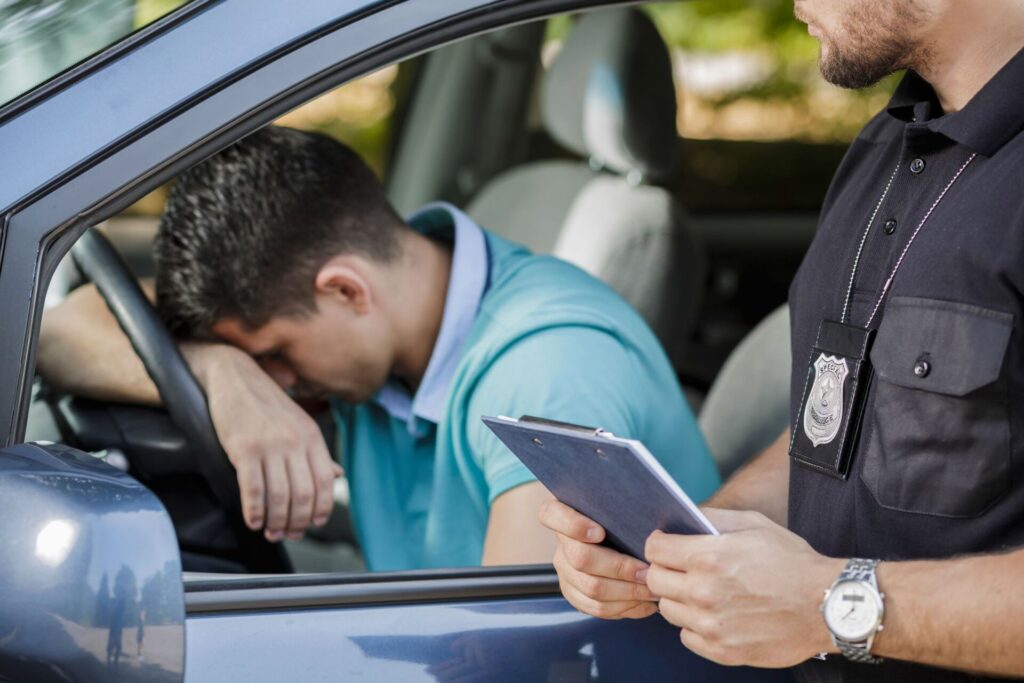
Driving Offenses
Driving offenses are violations of traffic laws related to the operation of a motor vehicle. These offenses can range from minor infractions to serious crimes. Some common driving offenses include:
Speeding: Driving faster than the posted speed limit or at a speed that is unsafe for road conditions (e.g., during heavy rain or fog).
Reckless Driving: Driving with a willful disregard for the safety of others. Reckless driving often involves excessive speed, dangerous maneuvers, or intentionally ignoring traffic laws. Overtaking a vehicle in an area where it is illegal, such as on a curve, near a school, or in an intersection.
Running Red Lights and Stop Signs: Failing to stop at a red traffic signal or stop sign, resulting in a risk of collision with other vehicles or pedestrians.
Driving Without a License: Operating a vehicle without a valid driver’s license. This may occur if the driver is unlicensed, their license is expired, or their license is suspended.
Driving Without Insurance: Operating a vehicle without the required insurance coverage, which is mandatory in most places.
Texting and Driving / Distracted Driving: Engaging in activities like texting, talking on the phone, eating, or adjusting the radio while driving, which diverts attention from the road.
Driving Under the Influence of Alcohol or Drugs (DUI/DWI): DUI specifically refers to alcohol impairment, while DWI (in some jurisdictions) refers to driving under the influence of drugs, including illegal drugs or prescription medication.
Hit and Run: Leaving the scene of an accident without providing identification or assisting anyone who may have been injured.
Drug Charges
Drug charges refer to legal offenses related to the illegal possession, distribution, manufacture, or trafficking of drugs, or any behavior involving controlled substances that violate criminal laws. These charges can vary in severity depending on factors such as the type of drug, the amount involved, the offender’s criminal history, and whether the offense was committed within the context of drug trafficking or organized crime.
Simple Possession: Possessing marijuana, cocaine, heroin, or prescription drugs without a valid prescription.
Possession with Intent to Distribute: This occurs when someone is found with a larger quantity of drugs that suggests they intend to sell, distribute, or manufacture the substances, rather than use them personally.
Drug Trafficking: Drug trafficking involves the illegal trade or transportation of controlled substances across regions, countries, or jurisdictions. This could include importing, exporting, or distributing illegal drugs.
Manufacturing Drugs: Drug manufacturing refers to the illegal production or creation of controlled substances, such as synthesizing drugs in labs or cultivating plants for narcotics (e.g., marijuana, opium poppies).
Drug Distribution or Sale: Selling or distributing illegal drugs to others.
Drug Possession with the Intent to Manufacture: This charge involves possessing certain chemicals, tools, or equipment necessary to manufacture drugs, even if no drugs are currently in the person’s possession.
Drug Paraphernalia: Drug paraphernalia refers to any items that are used to produce, use, or distribute drugs, such as pipes, bongs, syringes, or scales.
Prescription Drug Offenses: These charges involve illegal actions with prescription drugs, including obtaining them without a prescription, distributing them illegally, or using them in an unsafe manner.
Drug Driving (DUI or DWI): Driving under the influence of drugs, including marijuana, prescription medications, or illegal substances, is also considered a drug-related offense. Like alcohol, drugs impair a driver’s ability to operate a vehicle safely.


Power of Attorney
Power of Attorney (POA)
A Power of Attorney (POA) is one of the simplest and most important legal documents you can have. It lets you choose someone you trust to handle your affairs if you can’t do it yourself, whether temporarily or because of illness, travel, or unexpected events.
Stay in Control: By signing a POA, you decide who makes decisions for you. Without one, your family may be forced into expensive and time-consuming court proceedings just to help you.
Avoid Court Involvement: If you become incapacitated and don’t have a POA, the court may have to appoint a conservator to act for you. This process is public, slow, and costly. A POA prevents that.
Flexibility and Peace of Mind: A POA can be broad or limited. You can give your agent authority to handle finances, pay bills, or sign documents; name someone to make healthcare decisions if you can’t speak for yourself; and set it up to take effect only if you become incapacitated.
Protect Your Family: Having a POA makes it easier for your loved ones to step in during a crisis without added stress. They won’t be left guessing what you wanted — they’ll have clear legal authority to act.
It’s Quick, Affordable, and Powerful: Creating a POA is simple, doesn’t require filing with the court (except for real estate matters), and can save your family thousands of dollars and months of frustration.
Estate Planning Packages
Basic Will + Power of Attorney + HIPAA Release
Individuals: $500 flat
Couples: $900 flat
Decide What Type of “Power of Attorney” You Need
General POA – broad powers (banking, contracts, property, etc.)
Limited/Special POA – only for specific acts (e.g., signing one document, selling one car).
Durable POA – remains effective if the principal becomes incapacitated (TCA § 34-6-102).
Healthcare POA – specifically for medical decisions (separate from financial POA).